
Soil Conditioners, Humic & Fulvic Products
When water movement, tight ground, crusting or nutrient efficiency are limiting the crop, the right soil-focused product can add another tool to the program. We carry options for physical soil conditioning plus humic and fulvic chemistry that can work alongside fertility.
Different Soil Products Solve Different Problems.
“Soil conditioner” can describe several very different tools. Some products are built around the physical side of the soil — water movement, aeration, crusting and compaction-related conditions. Others use humic and fulvic chemistry to support nutrient availability, fertilizer compatibility and the root-zone environment.
That gives us more ways to build a program around the field instead of treating every soil issue the same.
If the challenge is tight soil, slow infiltration, crusting, starter compatibility or nutrient availability, we can help match the product type to the job and application pass you already have planned.
Four Common Reasons Growers Look at Soil Conditioners.
The value is in matching the product to a specific field objective. That could mean changing how water moves through the surface or adding humic and fulvic chemistry to a fertility program.
Water Infiltration & Movement
Soil-conditioning products can be used where growers want water to move into and through the soil profile more effectively.
Crusting & Physical Conditions
Tight surface conditions, sealing and compaction-related issues can affect emergence, rooting and how efficiently water enters the soil.
Nutrient Availability
Humic and fulvic products can complement fertilizer programs by supporting nutrient handling, chelation and movement around the root zone.
Fertilizer Program Efficiency
Several soil-focused products fit naturally into starter, preplant, UAN or other fertility passes, making it easier to build more value into an application already being made.
Physical Soil Conditioning and Humic Chemistry Belong in the Same Toolbox — for Different Jobs.
Agri-SC and humic/fulvic products are both soil-focused, but they approach the problem differently. That makes this category useful because we can choose the tool based on what we want the field or fertility program to do.
Three Useful Tools for Different Soil and Fertility Jobs.
These products represent the main directions in this category: physical soil conditioning, liquid humic/fulvic chemistry and a highly compatible modified humic acid for fertilizer programs.
 FOUR STAR SERVICES
Agri-SC
A low-use-rate soil conditioner positioned around water infiltration, soil structure, aeration and compaction-related conditions. It gives growers a practical option for working on the physical side of the soil.
View Agri-SC → HUMIC FULVIC 12%
BW Humic Fulvic 12%
A liquid humic and fulvic product designed to complement fertilizer programs, support nutrient bioavailability and add humic/fulvic chemistry around the root zone.
View Humic Fulvic 12% → HUMIC PLUS
BRANDT Humic Plus
A 4-0-1 product with 10% humic acids formulated for strong compatibility with NPK and phosphate fertilizer solutions, making it especially useful when humic chemistry needs to fit an existing fertility pass.
Ask About Humic Plus →Soil-Focused Products Can Fit Several Parts of the Fertility Program.
One of the strengths of this category is application flexibility. Depending on the specific product label, soil conditioners and humic/fulvic products can be incorporated into planting, preplant, preemergence, UAN or other fertility passes.
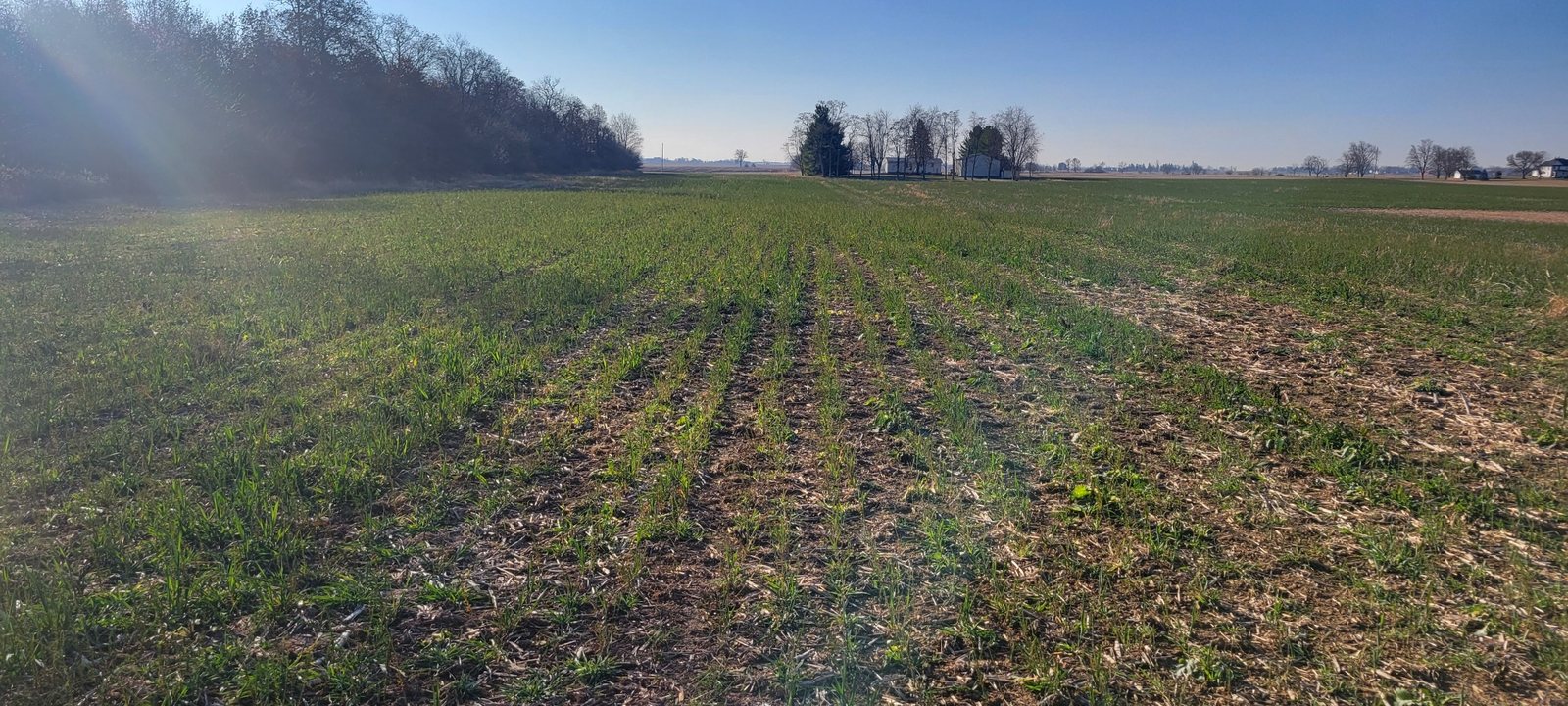
Baseline Rx Can Help Show Where Soil Conditions Change Across the Field.
Soil texture, water movement, topography, nutrient availability and other field characteristics can vary substantially within the same farm. Baseline Rx gives us another layer of information for deciding where soil-conditioning or humic products may fit best.
Common Questions About Soil Conditioners and Humic Products.
What is a soil conditioner?
A soil conditioner is a product used to improve aspects of the soil environment such as water movement, aeration, aggregation or other physical conditions. Different products work through different mechanisms.
What is the difference between a soil conditioner and a humic product?
A physical soil conditioner is generally aimed at soil structure and water behavior, while humic and fulvic products are commonly used alongside fertility programs to support nutrient interactions and root-zone chemistry.
What do humic and fulvic acids do?
Humic and fulvic compounds can interact with nutrients and soil chemistry in ways that support nutrient availability, chelation and fertilizer efficiency. Product formulation and application method matter.
Can humic products be added to starter fertilizer?
Yes, when the product is designed for fertilizer compatibility. BRANDT Humic Plus, for example, is formulated for NPK and phosphate fertilizer solutions. Always confirm compatibility and follow the current label.
Where does Agri-SC fit?
Agri-SC is used as a soil conditioner where water infiltration, soil structure, crusting or compaction-related conditions are part of the field-management objective.
Can EZ Custom Ag help build a soil-conditioning program?
Yes. Tell us the field situation, crop, fertility program and application timing. We can help compare physical soil conditioners, humic and fulvic products and the best pass to fit them into.
Tell Us What the Soil Is Doing and What You Want to Improve.
Whether the conversation starts with water infiltration, crusting, tight ground, starter compatibility or nutrient efficiency, we can help choose the soil-focused product and application timing that fit your acres.